Mia Seilern
Salicylic Acid
⚠️ Data is provided for informational purposes only. It may contain inaccuracies and should be independently verified. This is not medical advice. Consult a healthcare professional before making health decisions.

Description: Salicylic Acid — exfoliant, pore-clearing.

All Functions: exfoliant, pore-clearing

Quick Facts:

  • Category: active
  • Comedogenic Rating: 0/5
  • Regulatory Note: Restricted in the EU

Proven Benefits At A Glance:

  • Salicylic acid is a beta-hydroxy acid that has been used for skin treatment for over 2,000 years
  • It works by exfoliating the outer layer of skin and has properties that make it useful for acne
  • Research shows salicylic acid can reduce sebum (oil) production and has anti-inflammatory effects
  • In a 21-day study, a salicylic acid gel reduced sebum by about 24% and acne severity by about 24%
  • Side effects are generally mild; one study reported only 5% of users experienced temporary itching
  • It appears safe to use during breastfeeding if kept away from areas the infant might contact
Safety: CautionResearch confidence: Good

Safety tier is a starting heuristic from regulatory status and comedogenic rating, not a dermatological verdict — see our Terms for the full disclaimer. Research confidence reflects how many real cited studies back this ingredient, not the strength of their findings.

🧪 Salicylic Acid

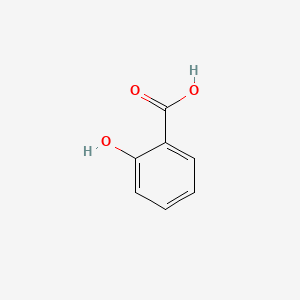
Chemical structure of Salicylic Acid

Salicylic Acid

CAS Number: 69-72-7

Also Known As:

Category: active

EC Number: 200-712-3

Korean Name: 살리실릭애씨드

Salicylic acid

Salicylic Acid is an active ingredient used in skincare formulations.

exfoliantpore-clearing

🌍 Regulatory Status

EU: RestrictedUS: No restriction on file

EU max concentration: (a) 3.0% (b) 2.0% (c) 0.5%

EU conditions: (a) (b) (c)

Not to be used for children under 3 years of age*

* Solely for products which might be used for children under 3 years of age.

📊 Comedogenicity

⬜⬜⬜⬜⬜

0/5

📚 Research & Evidence

PUBMED CITATIONS
5
Data sources: EU CosIng PubMed

🔬 The Science

Salicylic acid belongs to a class of ingredients called beta-hydroxy acids and has a documented history spanning more than 2,000 years in treating skin conditions (Clin Cosmet Investig Dermatol, 2015). The ingredient works through two main mechanisms: it exfoliates the stratum corneum (the outermost layer of skin) and possesses what researchers call “comedolytic” properties, meaning it helps break up comedones—the clogged pores that characterize acne (Clin Cosmet Investig Dermatol, 2015). Scientifically, salicylic acid functions as a desmolytic agent, disrupting the connections between skin cells rather than simply breaking down the protein structures between them (Clin Cosmet Investig Dermatol, 2015). At the cellular level, research has identified several pathways through which salicylic acid addresses acne’s root causes: #1: It decreases sebocyte lipogenesis—essentially reducing the production of oils in sebaceous glands—by regulating the AMPK/SREBP-1 pathway (Exp Dermatol, 2019); #2: It possesses anti-inflammatory properties by suppressing the NF-κB pathway, a molecular signaling system involved in inflammation (Exp Dermatol, 2019); #3: It can trigger apoptosis (programmed cell death) in sebocytes via death signal receptor pathways (Exp Dermatol, 2019).

When it comes to clinical evidence, the picture is mixed. A comprehensive Cochrane review analyzing 49 randomized controlled trials found the research on salicylic acid’s effectiveness is limited (Cochrane Database Syst Rev, 2020). The review noted there may be little or no difference between salicylic acid and tretinoin (a prescription retinoid) for overall acne improvement, though the quality of evidence was low, and direct comparisons with benzoyl peroxide were not available (Cochrane Database Syst Rev, 2020). Common side effects observed in trials included application site reactions like scaling and redness, though overall withdrawal rates due to adverse events were low (Cochrane Database Syst Rev, 2020).

A more recent 21-day clinical trial provides more optimistic short-term results: participants with mild-to-moderate acne using a salicylic acid-containing gel twice daily showed #1: sebum reduction of 23.65% (J Cosmet Dermatol, 2025); #2: increased skin hydration of 40.5% (J Cosmet Dermatol, 2025); #3: improved skin barrier function with a 49.26% reduction in trans-epidermal water loss (J Cosmet Dermatol, 2025); and #4: acne severity improvement of 23.81% (J Cosmet Dermatol, 2025). Tolerability was high, with only 5% of participants reporting mild, temporary itching that resolved without intervention (J Cosmet Dermatol, 2025). Regarding safety during breastfeeding, salicylic acid is considered safe because it is unlikely to be significantly absorbed through the skin or appear in breastmilk; however, it should be kept away from areas where an infant might make direct contact or ingest it through licking (peer-reviewed journal, 2006).

The ingredient has been documented as safe across different skin types (Fitzpatrick types I through VI), though the sources reviewed do not provide extensive detail on this aspect (Clin Cosmet Investig Dermatol, 2015).

💧 Skin Type Compatibility

100%
Sensitive
100%
Oily
100%
Dry
100%
Combination
100%
Acne-prone
100%
Normal

Derived from this ingredient’s irritancy potential and comedogenicity rating against the needs of each skin type — e.g. oily and acne-prone skin are marked down for pore-clogging ingredients, sensitive skin for irritants. A starting heuristic, not a dermatological verdict.

⚠️ Don’t Combine With

  • Glycolic Acid (caution): Layering multiple acids (AHA + BHA) same night can over-exfoliate; start with alternating use.

🧴 Products Containing Salicylic Acid

📄 Related Research

Matched by search — not necessarily verified support for every statement above.

Similar Ingredients

BROMELAIN
BROMELAIN
active
View
CITRIC ACID
CITRIC ACID
active
View
GLUCONOLACTONE
GLUCONOLACTONE
active
View
Glycolic Acid
Glycolic Acid
active
View
Lactic Acid
Lactic Acid
active
View
LACTOBIONIC ACID
LACTOBIONIC ACID
active
View
MALIC ACID
MALIC ACID
active
View
MANDELIC ACID
MANDELIC ACID
active
View